
Highlights
- Great sources of b12
- Fortified food sources
- Natural vs synthetic b12
- Increasing your intake
- Increasing absorption
- Foods to avoid
- Maximizing your b12
High B12 Food Sources
B12 is naturally found only in a certain set of foods. Vitamin B12 sources are predominantly found in animal foods. They are non-existent in plant food sources, however it can be found in some fortified food products. When following any extreme dietary pattern for an extended period of time it can lead to nutrient deficits.
Some animal based foods that b12 is present in includes:
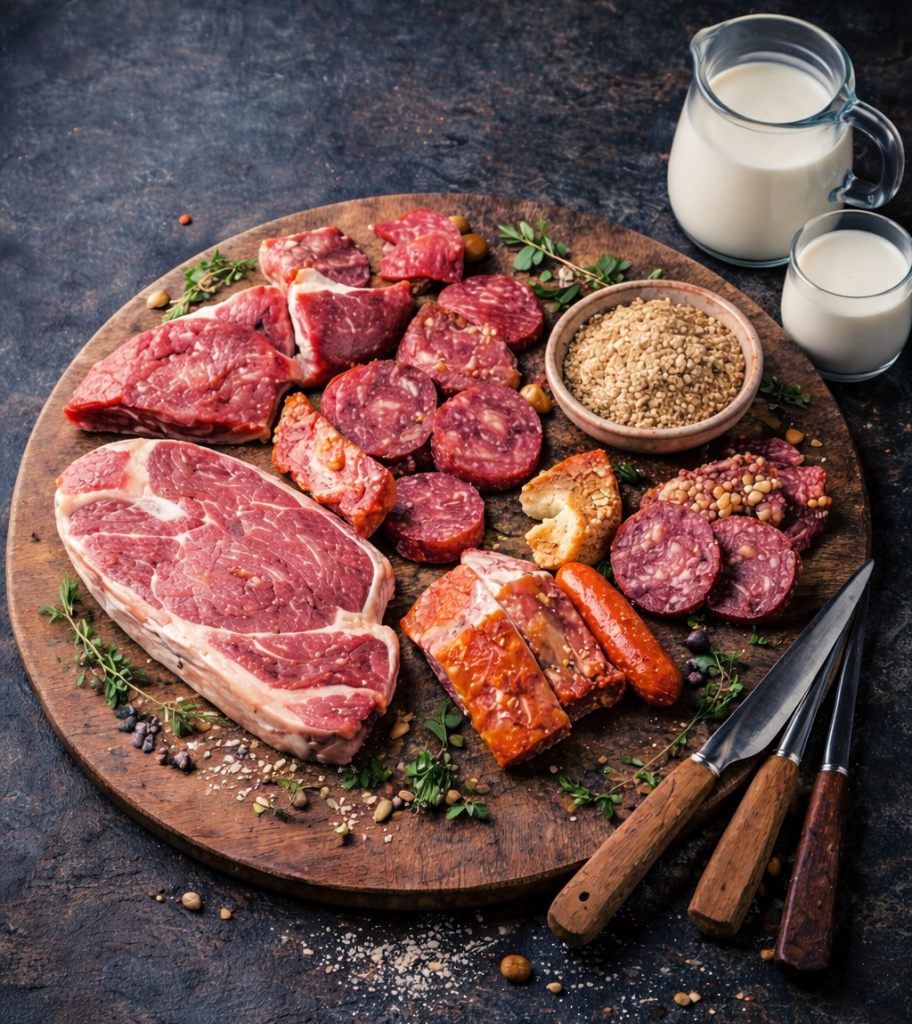
- Fresh Meats (including beef, chicken, pork, wild game and marine animals)
- Eggs
- Processed Meats (including bacon, sausage, and deli meats)
- Dairy (variety of cheeses, yogurt, and milk)
Fortified foods include:
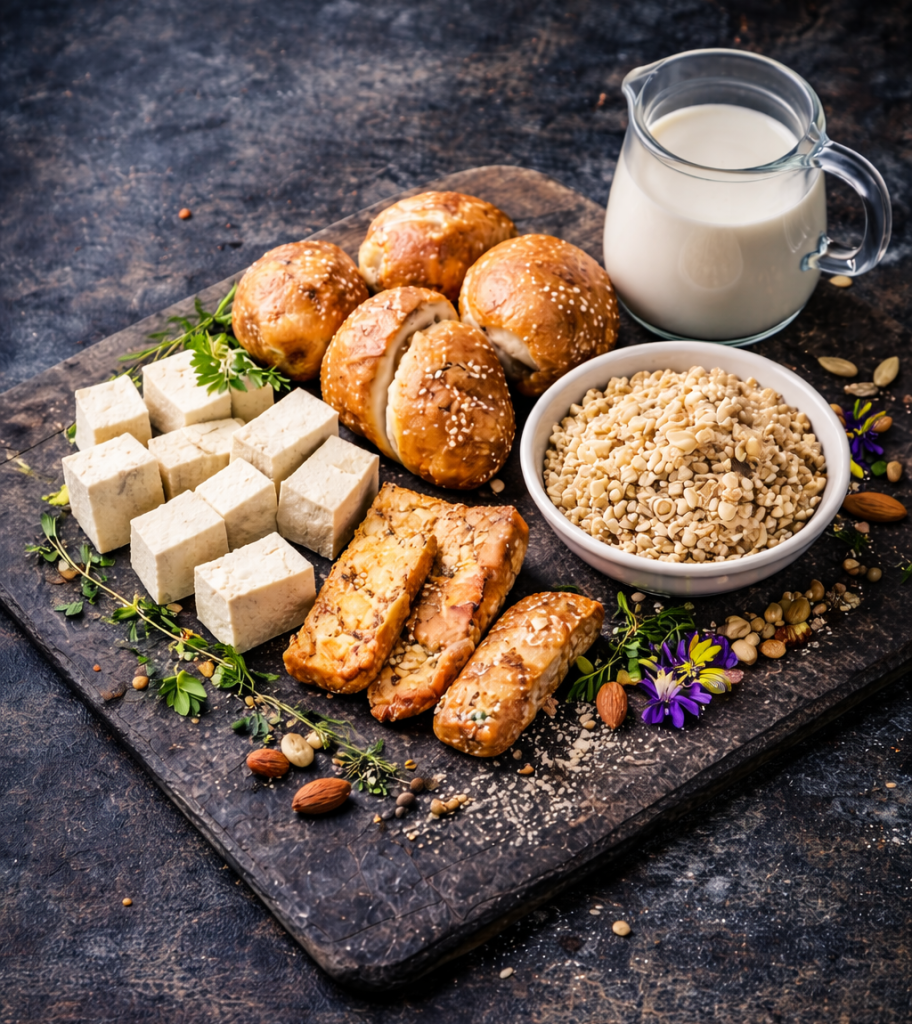
- Fortified grains(flour,cereal grains etc)
- Bread
- Nutritional Yeast
- Plant Based Milks (Soy, Almond, Oat)
- Meat Substitutes (fortified tofu, tempeh)
Animal foods contain a variety of naturally occurring vitamin b12 compounds which include adenosylcobalamin, hydroxocobalamin, and methylcobalamin. Given the natural state of these compounds they are more readily used within the body compared to synthetic sourced b12. Fortified products contain the synthetic form of b12, cyanocobalamin. It has to undergo additional processing in the body to be effectively utilized. Studies show that methylcobalamin has a higher retention rate as compared to cyanocobalamin. With the lowered efficiency of cyanocobalamin intake and possible genetic factors to utilize it, synthetic b12 may not be optimal in maintaining or restoring body levels.
How to Increase Your Intake
It is best to opt for natural sources of Vitamin B12. Doing so consistently will ensure you raise your natural B12 levels unless one has metabolic or malabsorption issues. These issues would need alternative approaches to sufficiently increase your B12 stores. Cooking or any other sort of processing can also destroy some of this vitamin as it is heat and light sensitive. Opting for a higher daily protein is a great strategy in raising your levels (barring any extreme diets, including veganism, vegetarianism, etc.).
Foods To Avoid
The foods you don’t consume are just as important as the ones you do in raising your B12 levels. Some foods and drinks to avoid for maximal absorption include:
- Coffee, tea and caffeinated sodas
- Can increase excretion through caffeine’s diuretic effects. It is possible to reduce absorption via their polyphenol content but evidence is still insufficient.
- Alcohol
- High-fiber foods
- As higher fiber in the digestive tract can impair nutrient absorption, it would be best to consume high fiber foods separately.
Conclusion
Strategically consuming vitamin B12 rich food sources can seem daunting at first but is actually very simple! By pairing your vitamin B12 rich food sources with whole, nutritious lower fiber foods, while avoiding caffeinated and alcohol-based beverages, one can maximize the absorption of this very important vitamin!